Cutting-edge Solutions in Assistive Innovation for Visual Impairment
The landscape of assistive technology for visual impairment is developing swiftly, providing a variety of innovative services that enhance ease of access and freedom. From innovative smartphone applications that help with navigating to wearable tools created for real-time advice, these tools are improving the experiences of those with aesthetic disabilities. Moreover, the combination of wise home technologies and educational resources has the possible to foster better area engagement. The ramifications of these developments raise critical concerns about their availability and efficiency in varied contexts, warranting a more detailed examination of their broader impact.
Advancements in Smartphone Applications
Over the last few years, improvements in smart device applications have dramatically changed the landscape of assistive innovation for people with visual problems. These applications leverage the powerful sensors and capabilities of contemporary smart devices to give customers with devices that improve independence and accessibility in their every day lives.
Remarkable amongst these innovations are applications created for object recognition, which use the smart device's electronic camera to identify things and provide verbal summaries. Such functions encourage users to navigate their atmospheres better, whether recognizing products in shops or situating individual items in your home. Additionally, text-to-speech applications have actually improved drastically, allowing individuals to catch printed text through their device's electronic camera and receive instant audio comments, thereby facilitating analysis and comprehension.
Navigating applications tailored for aesthetically impaired users have actually also arised, supplying auditory advice and detailed location info. These devices supply vital support for flexibility, enabling individuals to go across strange spaces with self-confidence. Furthermore, community-driven applications have promoted social interaction and source sharing amongst individuals with visual impairments, creating an encouraging network that enhances their lifestyle. In general, mobile phone applications have ended up being crucial allies in advertising freedom and accessibility for individuals with visual disabilities.
Wearable Devices for Navigation
Wearable gadgets for navigating have become a groundbreaking remedy for individuals with visual impairments, providing hands-free assistance that enhances wheelchair and alignment. These devices usually make use of innovative modern technologies, consisting of GPS, ultrasonic sensing units, and expert system, to supply real-time responses and direction to customers as they navigate their setting.
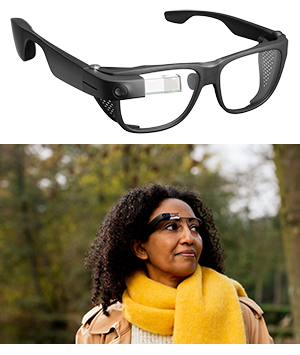
One remarkable example of wearable navigation innovation is wise glasses, which can spot barriers and relay auditory or haptic feedback to the wearer, enabling safe and effective activity in different setups. Other devices, such as vests and belts geared up with sensing units, can in a similar way educate customers of their environments by providing alerts concerning close-by objects or adjustments in surface.
In addition, several wearable tools incorporate with smartphone applications, enabling individuals to customize their navigation choices and get tailored route suggestions. This customization can considerably enhance the customer experience, empowering individuals to take a trip with greater self-confidence and self-reliance.
As technology proceeds to create, the potential for wearable navigating devices to enhance the quality of life for people with visual impairments stays significant, paving the way for more accessible and inclusive atmospheres.
Smart Home Technology Integration
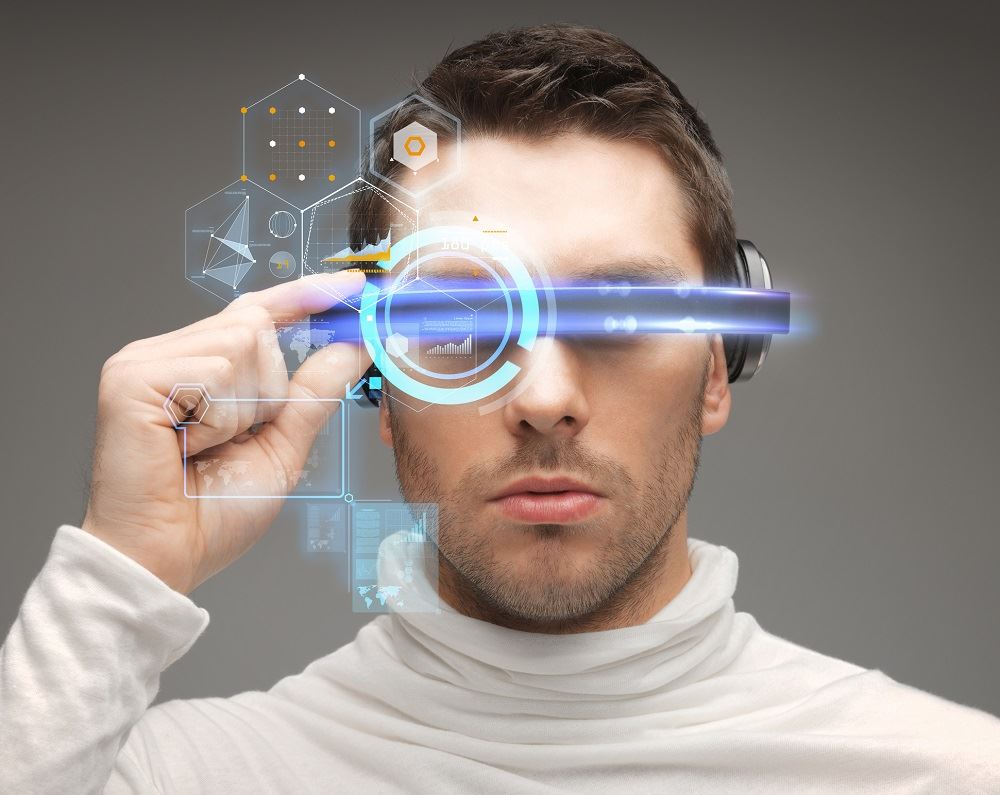
Additionally, clever appliances outfitted with tactile user interfaces or acoustic feedback supply intuitive interactions that provide especially to the needs of those with visual impairments. Smart refrigerators can announce their materials and expiry dates, while clever ovens can lead customers through the food preparation procedure with audio guidelines.
Home automation systems, such as wise doorbells and security cameras, provide tranquility of mind by permitting individuals to obtain signals and access live feeds by means of their mobile tools, enhancing individual security (AI-powered visual aids). In addition, combination with tablet computers and mobile phones ensures that customers can manage their home setting from anywhere within their facilities
As clever home innovation remains to develop, it holds the potential to transform the living experiences of individuals with visual disabilities, cultivating independence and boosting top quality of life in an increasingly connected globe.
Educational Tools and Resources
Accessibility to efficient academic devices and resources is important for individuals with visual problems, as it empowers them to involve completely in their understanding experiences. Various assistive technologies have actually been created to improve access and foster independent discovering.
Additionally, academic software particularly designed for aesthetically damaged customers provides attributes such as high-contrast modes and adjustable message sizes. These devices accommodate varied learning designs and make certain that trainees can tailor their educational experience to their needs.
Additionally, accessibility to electronic libraries and audio books broadens the array of available check my site knowing materials, allowing students to explore topics detailed without the restrictions enforced by traditional print resources. Collective systems that integrate availability features also help with group tasks, making sure that aesthetically impaired pupils can add meaningfully alongside their peers.
Neighborhood Assistance and Engagement
A durable network of area assistance and involvement is necessary for individuals with visual impairments, cultivating a comprehensive environment where they can flourish. Area companies, neighborhood advocacy teams, and volunteers play an essential role in supplying sources, info, and friendship, which are important for enhancing the high quality of life for those influenced by aesthetic impairments.

Engagement tasks such as workshops, get-togethers, and assistance teams not only promote skill growth yet also advertise social communication, lowering sensations of isolation. These initiatives motivate individuals to share difficulties, successes, and experiences, optometrist specialist therefore enhancing area bonds. In addition, collaborations with regional businesses can lead to better accessibility in public rooms, additionally integrating people with visual impairments right into the community.
Technology also boosts community interaction with on-line systems that use virtual support groups and resources, allowing people to attach despite geographical barriers. By utilizing both digital and in-person solutions, communities can create a detailed support network. Eventually, promoting collaboration among different stakeholders-- including families, instructors, and healthcare professionals-- ensures that people with aesthetic problems optometrist specialist receive the holistic support required to browse day-to-day life properly and with self-respect.
Verdict
Innovative services in assistive modern technology for aesthetic disability substantially boost the quality of life for people encountering these difficulties. The integration of smartphone applications, wearable gadgets, smart home technology, and instructional tools promotes greater freedom and availability.
The landscape of assistive modern technology for visual impairment is developing quickly, presenting a range of cutting-edge remedies that improve ease of access and freedom. Community-driven applications have promoted social interaction and resource sharing amongst people with visual disabilities, developing a helpful network that improves their high quality of life. On the whole, smartphone applications have actually become indispensable allies in advertising autonomy and accessibility for individuals with aesthetic disabilities.
Numerous people with aesthetic problems are discovering greater freedom with the combination of wise home modern technology.Innovative remedies in assistive innovation for aesthetic disability substantially enhance the quality of life for individuals facing these obstacles.